
Foundation Repairs After Floods
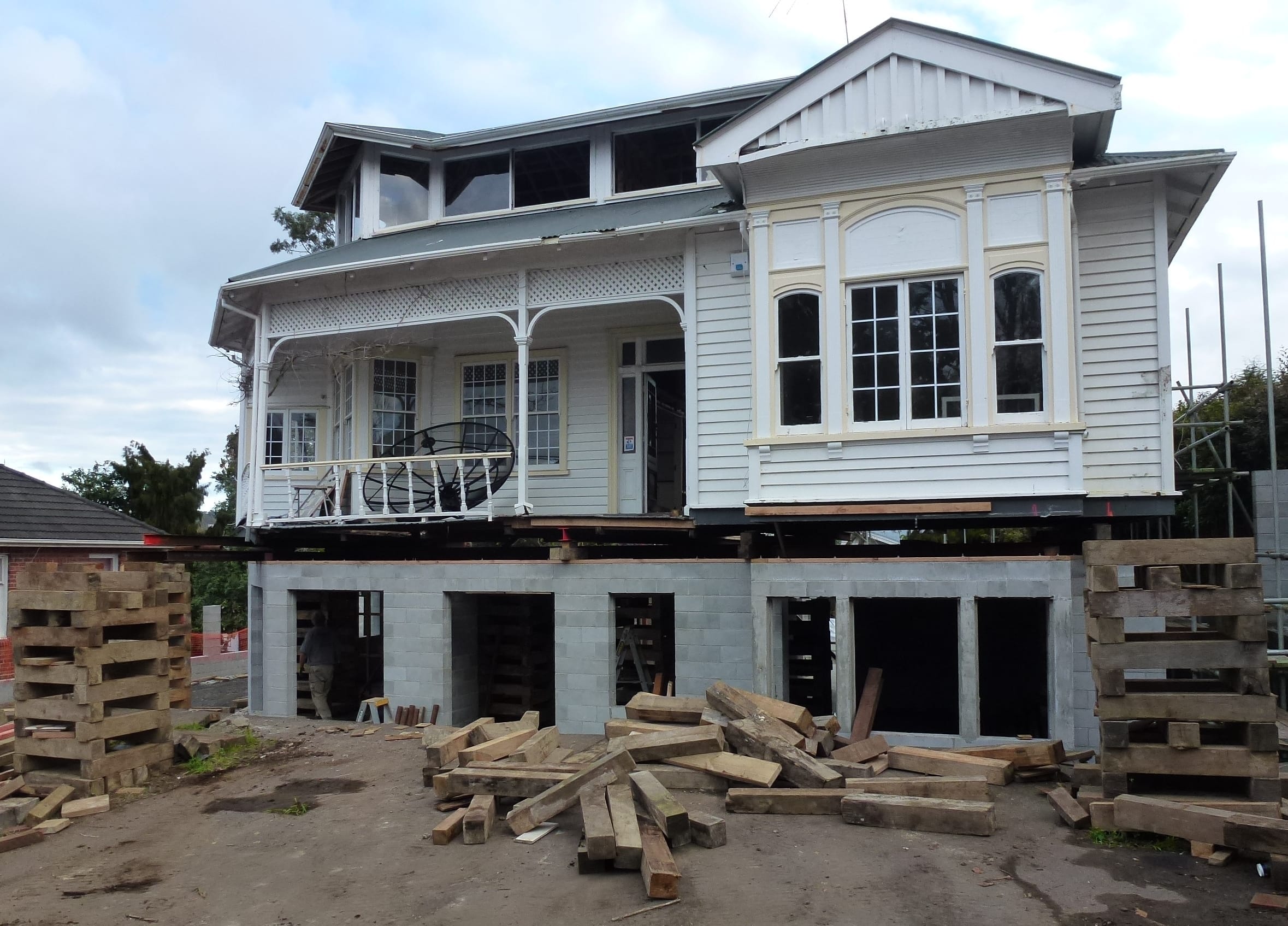
Our foundation repair after a flood starts with an engineer’s damage assessment, then a decision: can the subfloor be repaired from a crawl space, or does the house need to come up? From there, our services cover everything from replacing rotted timber piles and cracked concrete footings to filling voids beneath slabs and rebuilding flood-damaged subfloor framing, with insurance and consent support managed end-to-end.
Get in touch with our team today to learn more about foundation repair for floods in Auckland.
What Flood Water Does to an Auckland Foundation
Auckland’s expansive clay soil holds water for weeks after a flood, continuing to shift long after your street looks dry. That’s why many homeowners affected by the 2023 Anniversary floods and Cyclone Gabrielle are still discovering foundation damage now.
The understructure is the subfloor space beneath timber-floored Auckland homes, including the piles, bearers, and joists. Saturated timber rots, soil washes out from beneath footings, and concrete cracks under shifting ground.
1. Shifted or Rotted Timber Piles and Bearers
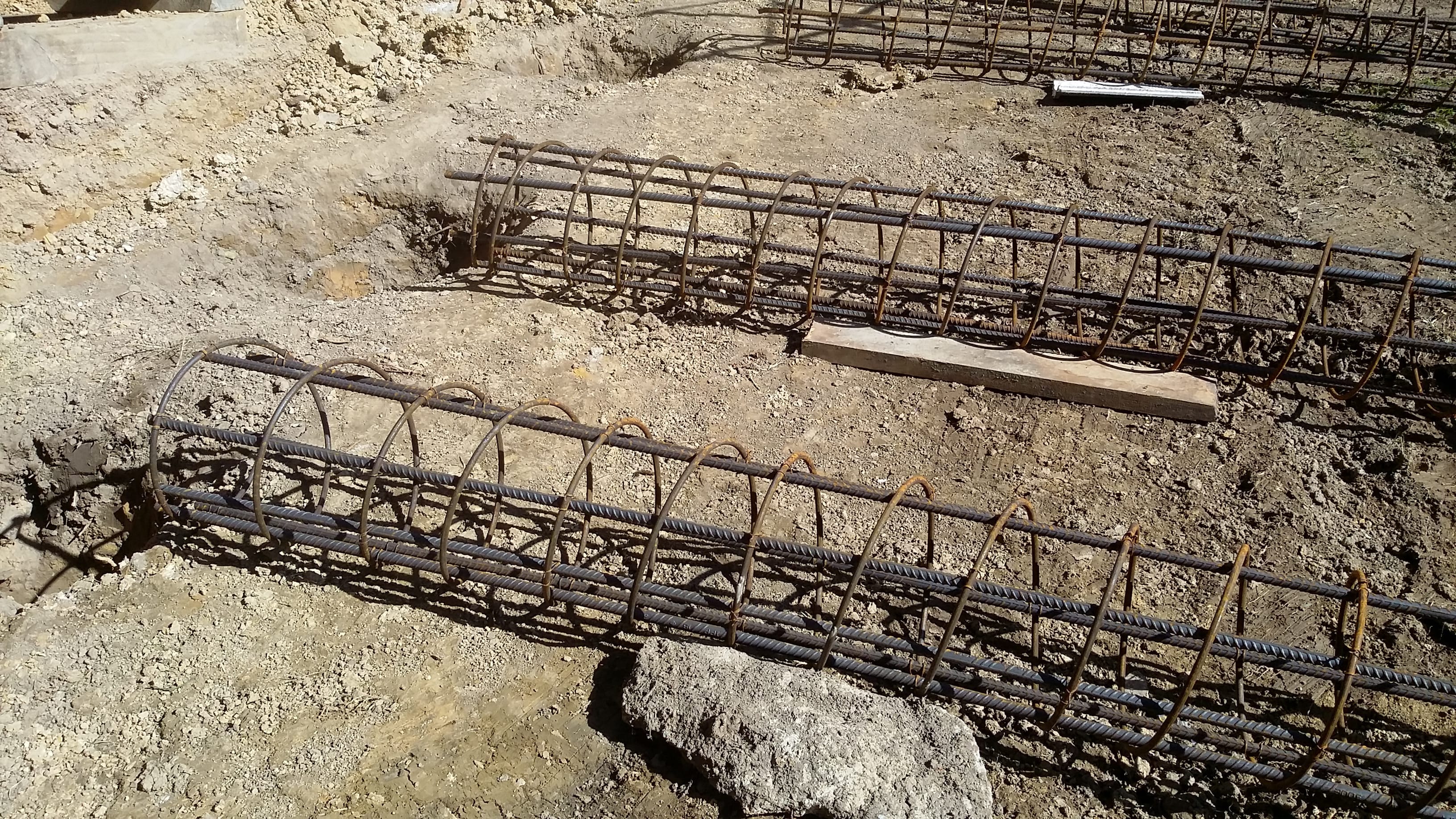
Prolonged saturation softens and rots timber; piles can also shift when saturated soil moves beneath them. Underpinning for house foundations with engineered steel piles is a permanent fix.
2. Cracked or Undermined Concrete Footings
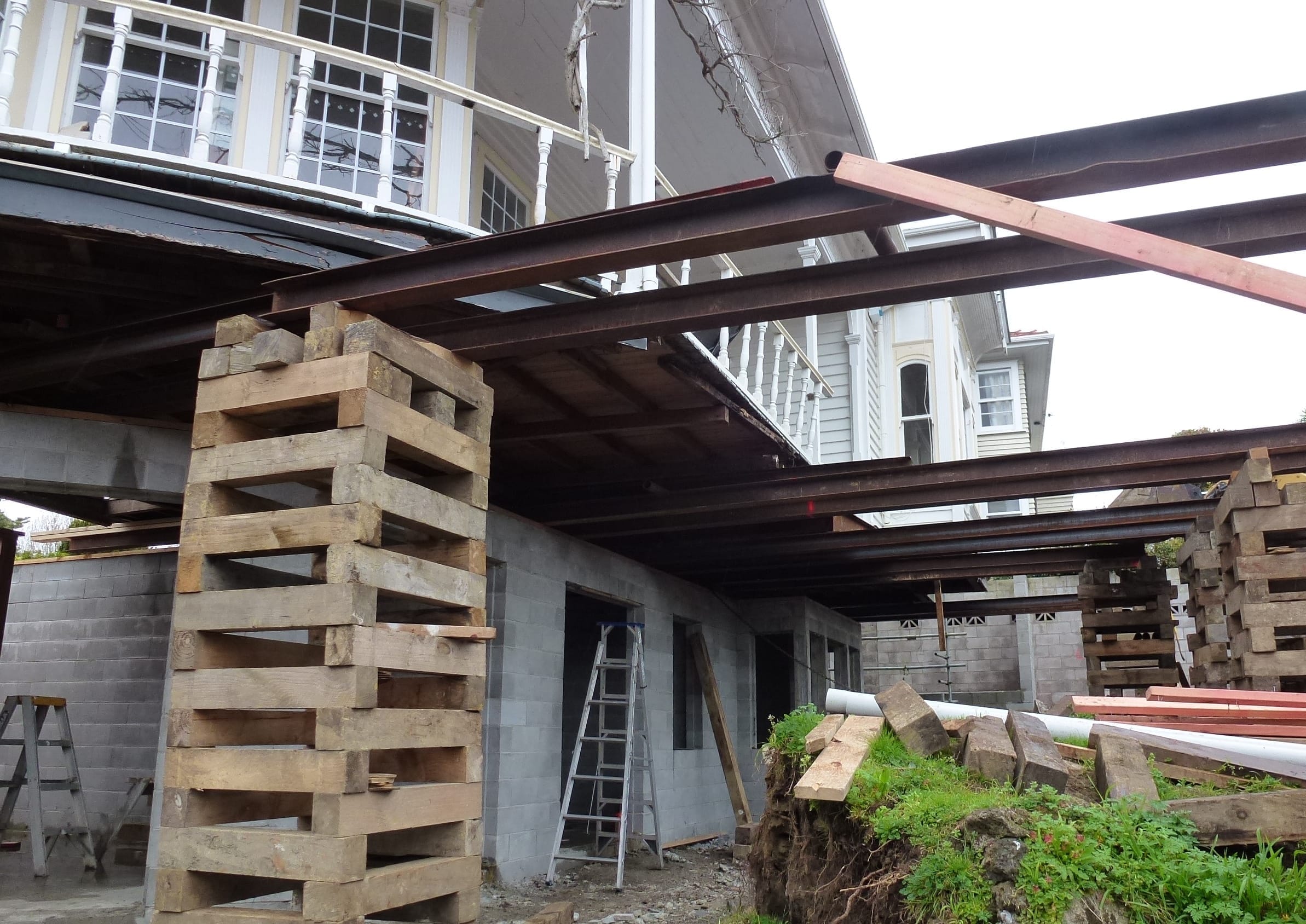
Flood-saturated clay cracks strip footings or washes out soil beneath them, causing the footing to drop or tilt.
3. Voids Beneath Slabs from Washed-Out Soil
Floodwater can carry compacted fill away beneath a slab, leaving voids. Under load, the slab begins to crack or drop.
4. Subfloor Framing Rot
Floodwater trapped in the subfloor drives moisture deep into framing timber. Rot and mould are established well before moisture levels normalise.
How We Support Your House During House Foundation Flood Repair
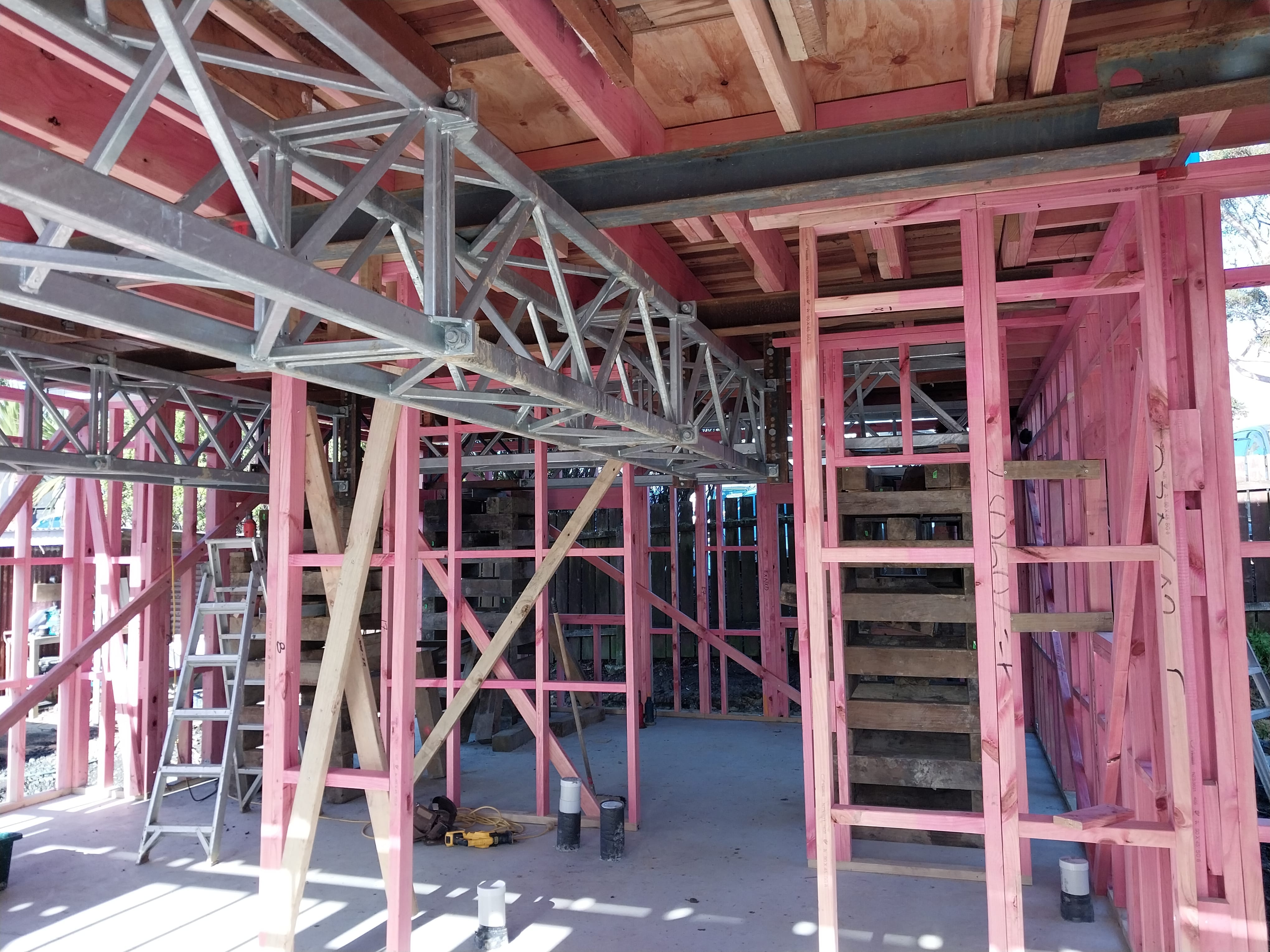
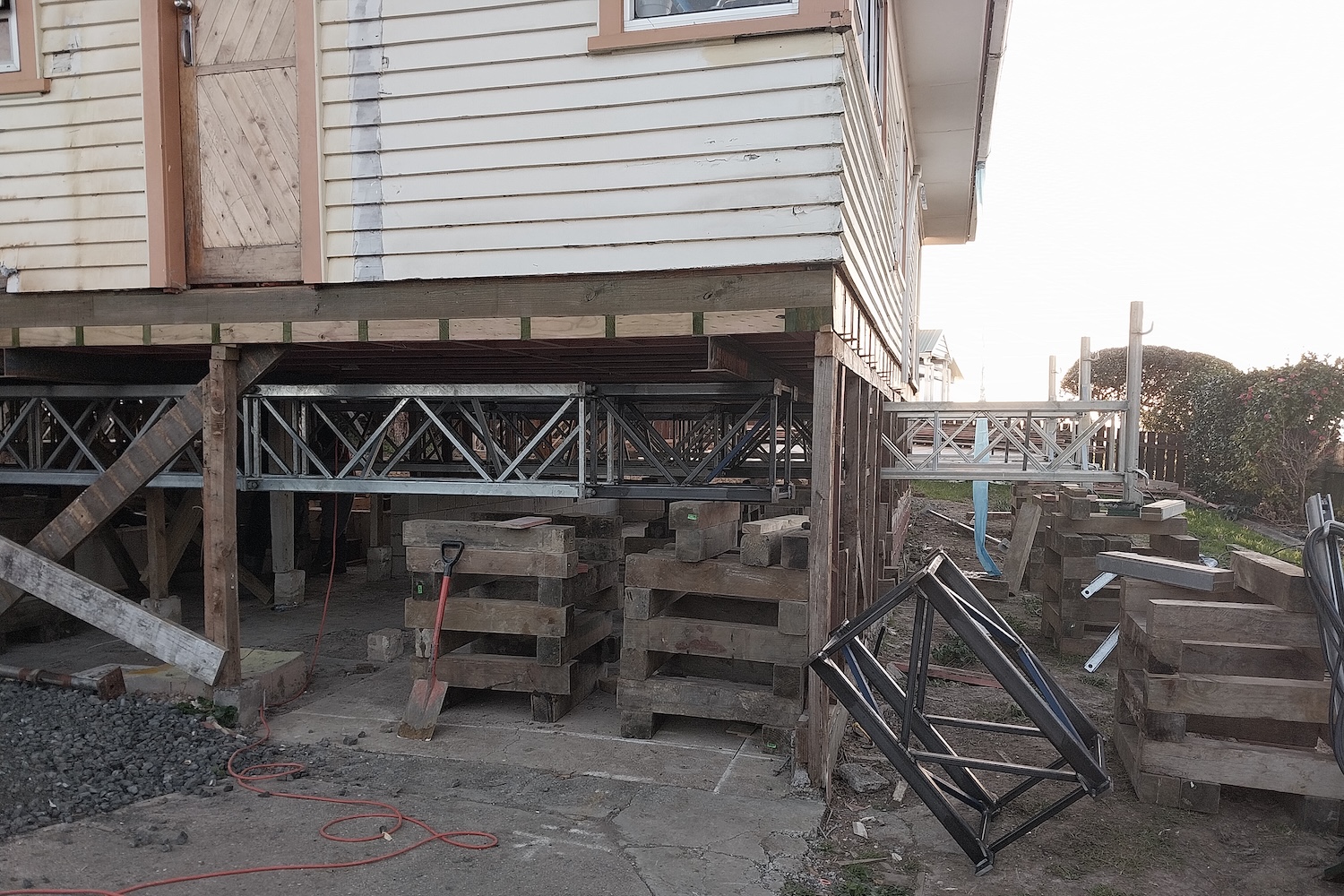
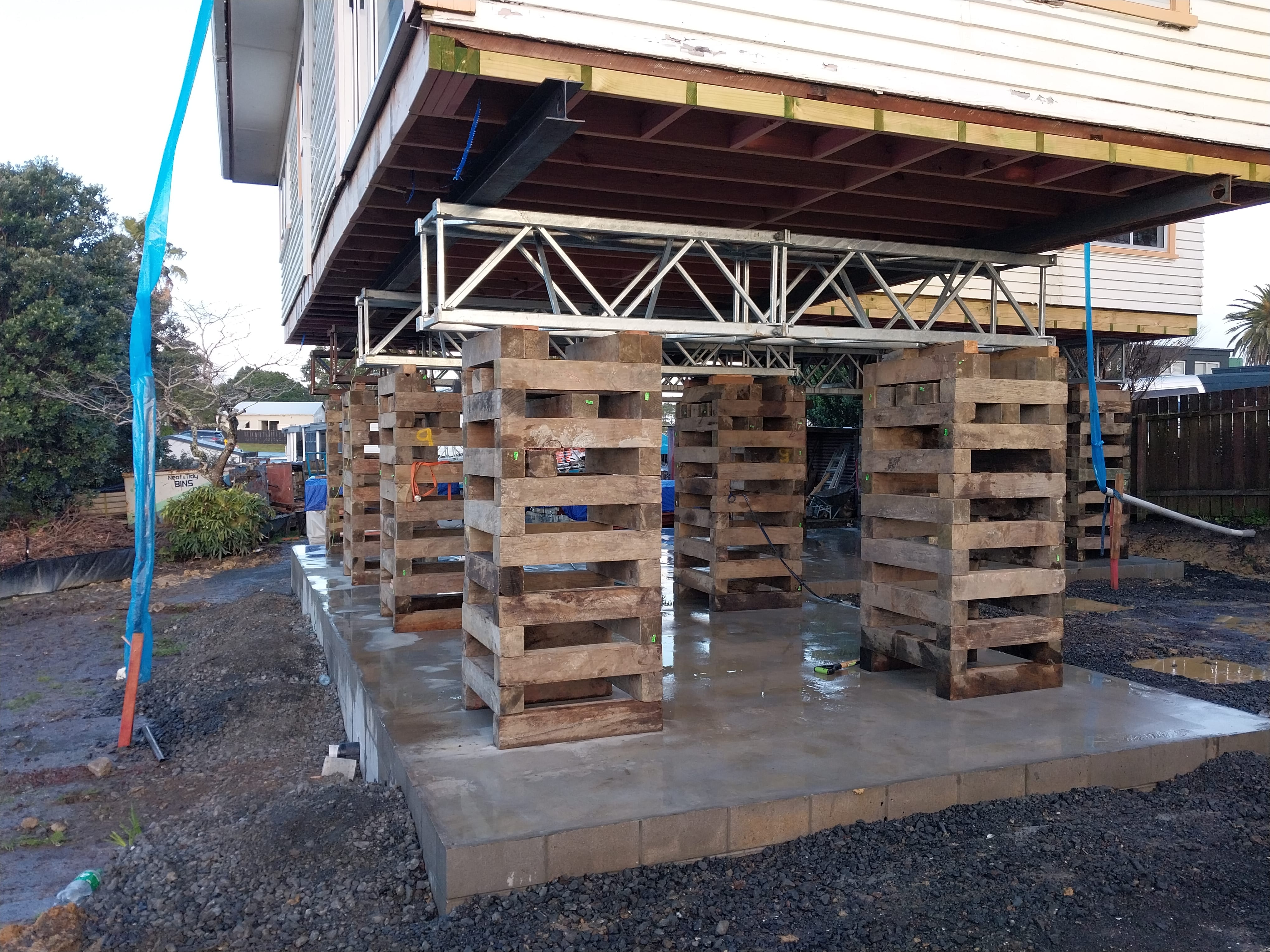
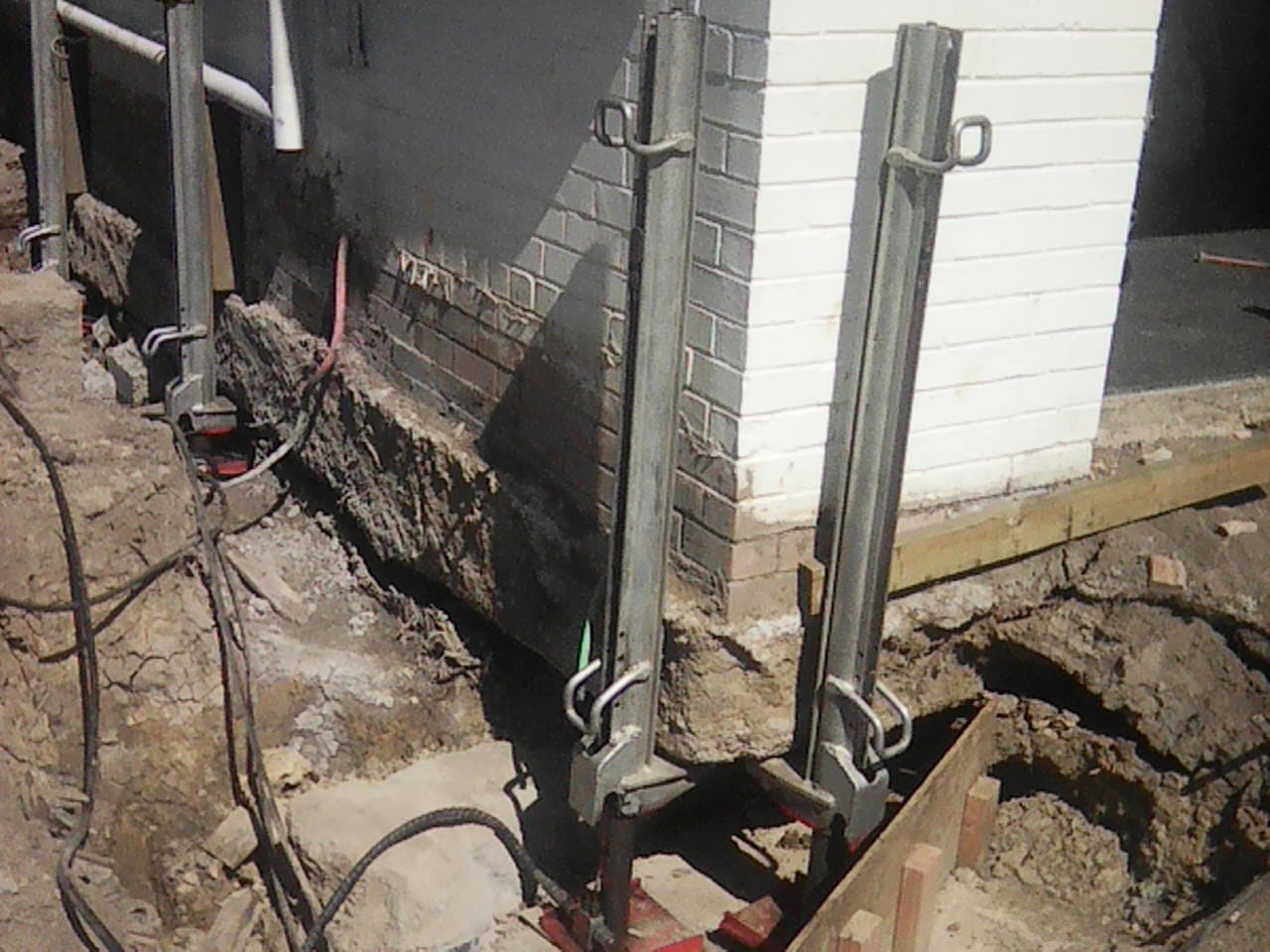
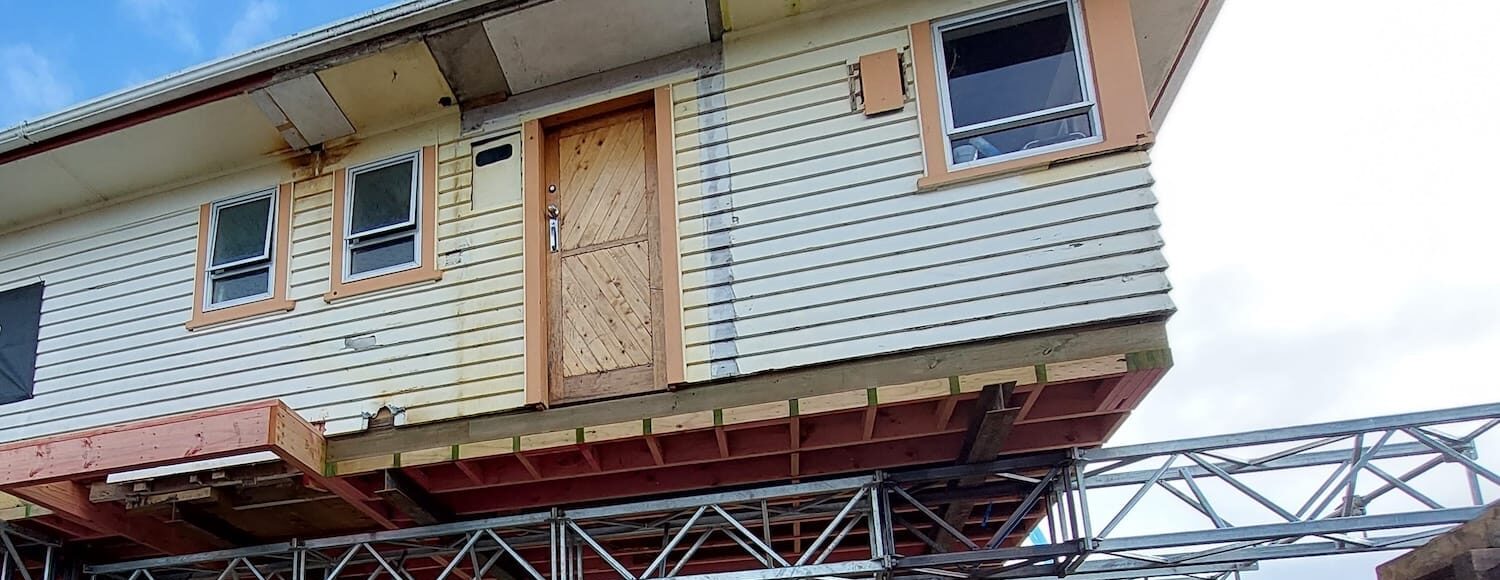
We use engineered steel beam systems rather than truck-based lifting, with zero deflection under load. Two configurations are available:
- Exterior Free-Span Support: We place beams around the perimeter, leaving the entire underside clear for foundation repair for floods in Auckland, which requires unrestricted access to piles, footings, and framing.
- Interior Perimeter Support: We place beams and sty blocks directly beneath the building, suited to tighter sections with limited external access.
Insurance and Consent: What to Expect
Your private insurer covers damage to the building, including house foundation flood repair work. The Natural Hazards Commission Toka Tū Ake covers certain areas of residential land, not the building. We prepare the engineer’s report and scope-of-works documentation that your insurer needs.
Per Building Performance requirements, pile replacement, lifting, and raising above the original height all require building consent. Auckland Council has a dedicated consent process for flood and cyclone damage. We can manage the application process for you.
Frequently Asked Questions
As soon as it’s safe, ideally within the first few weeks. Auckland’s clay soils keep moving after surface water drains, so damage often worsens well after the event.
In most cases, yes. The method depends on what’s damaged; where crawl space access isn’t sufficient, the house is lifted for a full rebuild.
Generally, yes. Damage to the building is a private insurance claim; NHC Toka Tū Ake covers land, not the structure. We prepare the documentation your insurer needs.
Yes, for structural work like pile replacement or lifting. We manage the consent application on your behalf.
It depends on the scope and whether the house needs to come up. Pile replacement typically runs into the tens of thousands; house foundation flood repair involving a full understructure rebuild is a larger project. We provide itemised quotes after an on-site assessment.
Yes. We can raise the floor level up to 3 metres as part of the same lift used for flood-damaged foundation repair. Building consent is required, and resource consent may also be needed depending on the height change and your property’s zone under the Auckland Unitary Plan.
Get a Quote for Flood-Damaged Foundation Repair
Need understructure repairs after a flood? We’ll visit your site, assess the damage with your engineer, and provide a detailed quote. Contact House Lifting NZ Ltd to discuss your foundation repair for floods in Auckland.